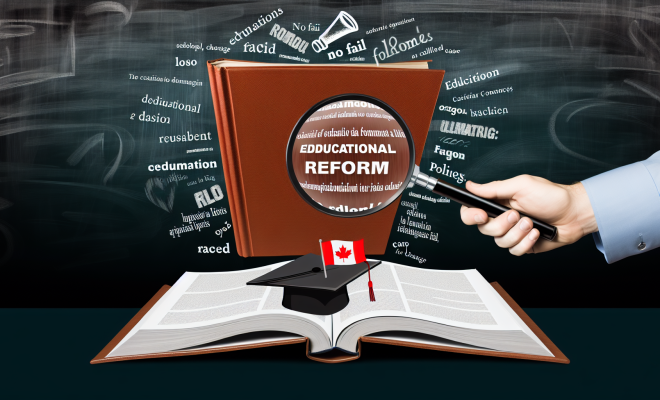
‘No Fail’ Policies Under Scrutiny: Canadians Call for Educational Reform
Growing Concerns Over Canada’s Education System
A recent survey has sparked significant debate regarding the direction of Canada’s education system, with many Canadians expressing discontent over current policies. The findings indicate a substantial shift in public opinion, highlighting a growing desire for a return to traditional educational practices, particularly concerning how disruptive behavior is managed in schools.
Key Findings from the Survey
The poll, which surveyed a diverse cross-section of the Canadian population, revealed that an increasing number of residents believe the education system is not meeting the needs of students or the broader community. Among the most contentious issues highlighted were ‘no fail’ policies, which have been implemented in various provinces.
- Declining Support for ‘No Fail’ Policies: The survey indicates that many Canadians are questioning the effectiveness of ‘no fail’ policies in promoting student accountability and maintaining educational standards.
- Desire for Traditional Approaches: A significant portion of respondents expressed support for more traditional methods of discipline and assessment, suggesting a preference for strategies that encourage responsibility and merit-based advancement.
- Impact on Student Behavior: Concerns were raised regarding the impact of these policies on student behavior, with many feeling that leniency may contribute to increased disruptions in the classroom.
Understanding ‘No Fail’ Policies
‘No fail’ policies are designed to prevent students from being held back or failing courses based on performance. Advocates argue that such measures provide a safety net for struggling students, allowing them to advance even if they have not fully grasped the material. However, critics contend that these policies can undermine educational standards, making it difficult for educators to maintain a rigorous academic environment.
Arguments for Re-evaluating ‘No Fail’ Policies
Proponents of re-evaluating these policies argue that:
- Academic Integrity: Maintaining high standards is crucial for the integrity of the education system. Allowing students to progress without demonstrating proficiency may devalue the educational experience.
- Accountability: Students must learn that their efforts have consequences. Implementing more stringent evaluation processes could foster a sense of accountability and responsibility.
- Classroom Environment: Teachers report that classrooms are becoming increasingly disruptive, with some attributing this behavior to the lack of accountability associated with ‘no fail’ policies.
Public Sentiment and Educational Reform
The results of the survey reflect a broader sentiment among Canadians regarding educational reform. Many feel that the current system does not adequately prepare students for the challenges they will face in higher education and the workforce. This sentiment is echoed by educators, who have expressed concerns about the long-term implications of lenient policies on student preparedness.
Voices from the Education Community
Educators across Canada have begun to voice their concerns about the implications of maintaining ‘no fail’ policies. They argue that:
- Educational Standards: Teachers emphasize the importance of maintaining rigorous academic standards, noting that failing to do so can lead to a lack of preparedness in students.
- Discipline and Respect: The erosion of traditional discipline methods may contribute to a decline in respect for authority and rules within the classroom.
- Long-term Effects: Educators warn that students who do not face academic consequences may struggle in post-secondary education, where the expectations are significantly higher.
A Call for Change
As public opinion shifts, there is an increasing call for education policymakers to reconsider ‘no fail’ policies and implement more balanced approaches that prioritize both support for struggling students and the maintenance of high educational standards. Many Canadians believe that a combination of support mechanisms—such as tutoring and mentorship—alongside traditional accountability measures could better serve the needs of students.
Future Directions
Looking ahead, the dialogue surrounding educational reform in Canada is expected to gain momentum. With a growing consensus among the public and educators alike, there is potential for significant changes in policy that could reshape the landscape of education. The emphasis on accountability, responsibility, and respect for academic integrity may pave the way for an education system that not only supports students but also upholds high standards of achievement.
Conclusion
The new survey underscores a critical juncture in Canadian education, reflecting widespread concern over current practices and the effectiveness of ‘no fail’ policies. As Canadians advocate for change, the hope is that the education system can evolve to better meet the needs of students, educators, and society at large, ensuring that all students are equipped for success in an increasingly complex world.